
Most small business owners don’t realize that 70% of operational bottlenecks stem from one critical flaw: lack of organized systems. While entrepreneurs excel at vision and innovation, they often struggle with the systematic processes that transform promising startups into scalable, profitable enterprises.
Business systems represent the difference between constant firefighting and strategic growth. Organized processes, tools, and procedures manage daily operations efficiently, prevent costly errors, and allow businesses to scale without requiring constant oversight. Companies with documented systems in place experience 25% faster growth and 50% less employee turnover compared to their unorganized competitors.
The challenge isn’t recognizing the need for certain systems—it’s knowing which ones matter most & how to implement them without disrupting current operations. We’ll outline the 13 essential small business systems every growing company needs, with practical implementation strategies that deliver measurable results within 90 days.
What Are Small Business Systems & Why Your Company Needs Them

Small business systems are organized processes, tools, and procedures that manage daily operations efficiently. Unlike ad-hoc approaches that rely on memory & improvisation, these systems create repeatable, documented methods for achieving consistent results. They encompass everything from customer relationship management and financial tracking to communication protocols and project management workflows.
The impact of implementing proper business systems extends far beyond simple organization. Research shows these systems seriously prevent chaos, reduce errors by up to 40%, and enable businesses to scale. When standard operating procedures replace improvisation, businesses operate much more predictably & efficiently.
Without proper systems in place, 70% of small businesses experience operational bottlenecks that limit growth potential. These can manifest as missed customer inquiries, delayed project deliveries, cash flow problems, & employee confusion about responsibilities. Most small business owners find themselves trapped in daily operations instead of focusing on growth initiatives.
The benefits of systematizing operations include:
- Improved efficiency through automation tools
- Enhanced customer satisfaction through consistent service
- Better financial health through organized tracking
- Increased business value for potential sale or succession
Companies that invest in business development through these approaches can really position themselves for competitive advantages.
The 13 Core Business Systems Every Small Business Must Implement
Successful small businesses operate on 13 fundamental systems that work together to create a cohesive operating environment. Each system serves a specific function while integrating with others to support overall business objectives.
Financial management systems control cash flow and track profitability through accounting software, automated invoicing, and expense tracking. These systems provide the foundation for all business decisions by delivering accurate, real-time financial data.
Customer relationship management (CRM) systems organize lead nurturing & sales growth activities. They centralize customer data, track interactions, and automate follow-up processes to maximize conversion rates and customer lifetime value. Lead management features help track & nurture potential customers through each stage of the sales pipeline, improving sales efficiency & conversion rates.
Employee productivity monitoring such as using software to track computer usage, time spent on tasks, and any application activity: especially if most of your team is remote . Invest in effective communication & workflow management software for your staff.
Project management systems coordinate tasks and manage deadlines across teams. They provide visibility into project status, resource allocation, and potential bottlenecks before they impact delivery schedules.
Human resources systems handle payroll processing, employee scheduling, and documentation requirements. They ensure compliance with labor regulations while streamlining administrative tasks. Compliance features within payroll systems automate adherence to federal, state, and local labor laws, tax regulations, and reporting requirements, simplifying compliance management.
Marketing automation systems maintain consistent lead generation through email campaigns, social media scheduling, and content distribution. They nurture prospects systematically and measure campaign effectiveness.
Inventory management software controls stock levels and coordinates supplier relationships. These systems prevent stockouts and overstock situations while optimizing cash flow. Ecommerce software is essential for businesses that sell products online, enabling the setup of an online store, managing inventory, processing payments, and handling shipping.
Document management systems organize files for compliance and operational efficiency. They ensure important information remains accessible and secure while supporting audit requirements. Document templates for consulting agreements, employment contracts, and non-disclosure agreements streamline legal documentation and ensure compliance.
Security systems protect sensitive data and control access to business resources. They safeguard customer information and prevent costly breaches through encryption and access controls.
Quality control systems ensure consistent service delivery and customer satisfaction. They standardize processes and monitor performance against established benchmarks.
Sales pipeline systems optimize revenue through systematic lead tracking and conversion processes. They provide visibility into sales forecasts and identify improvement opportunities.
Virtual phone systems like Talkroute streamline communications through professional call handling, voicemail management, and mobile accessibility. They ensure business calls reach the right person at the right time.
Reporting and analytics systems enable data-driven decision making through performance tracking and trend analysis. They transform raw data into actionable insights for strategic planning.
Financial Management Systems: The Foundation of Business Success
Financial management represents the most critical business system because cash flow control determines business survival. Accounting software like QuickBooks or Xero automates bookkeeping, invoicing, and expense tracking while providing real-time visibility into financial health.
Automated invoicing systems reduce payment delays by 35% through scheduled billing and payment reminders. These systems eliminate manual invoice creation, track payment status, and automatically send follow-up notices to overdue accounts. Integration with multiple payment methods, including credit cards, bank transfers, and digital wallets, reduces friction for customers while accelerating cash flow.
Expense tracking applications like Expensify capture receipts instantly and categorize spending for tax preparation. Team members photograph receipts using mobile apps, which automatically extract vendor information, amounts, and dates. This automation eliminates manual data entry while ensuring complete documentation for tax deductions and business analysis.
Cash flow forecasting tools predict financial needs 3-6 months ahead to prevent shortfalls. Analyze historical patterns, upcoming expenses, and expected revenues to identify potential cash flow gaps before they become critical. Business owners can plan for seasonal fluctuations, large purchases, or expansion investments with greater confidence.
Integration with banking systems eliminates manual data entry & reduces accounting errors. Bank feeds automatically import transactions, match them to invoices or expenses, and update account balances in real-time. This integration provides accurate financial reporting while reducing the time spent on bookkeeping tasks. Saves time, allowing you to focus on growth instead of being bogged down by repetitive financial processes.
The most effective financial systems include features for payroll processing, tax preparation support, and multi-location reporting for growing businesses. Cloud-based tools enable access from anywhere while maintaining strong security measures for sensitive data protection.
CRM: Building Lasting Business Relationships
CRM platforms like HubSpot or Salesforce centralize customer data and interaction history to improve service delivery and sales effectiveness. These systems transform scattered customer information into organized profiles that support personalized communication & strategic relationship building.
Lead scoring systems prioritize high-value prospects and increase conversion rates by 20% through systematic evaluation criteria. The system assigns points based on demographics, behavior, engagement level, and purchase intent indicators. Sales teams focus their energy on prospects most likely to convert, improving efficiency and results.
Automated email sequences nurture leads through personalized follow-up campaigns that deliver relevant content based on prospect behavior and interests. Maintain consistent communication without requiring manual intervention, ensuring no prospects fall through the cracks during extended sales cycles.
Customer service ticketing systems track support requests and ensure timely resolution through organized workflows. When customers submit inquiries through various channels, the system creates tickets, assigns them to appropriate team members, and monitors response times. This approach improves customer satisfaction while preventing issues from being overlooked. CRM systems can also help build customer loyalty by leveraging feedback & reviews to improve service quality, build trust, and encourage repeat business & referrals.
Integration with communication tools provides complete customer interaction visibility by connecting phone calls, emails, meetings, and chat conversations to individual customer records. This enables team members to understand customer history quickly and provide informed, personalized service.
Mobile apps ensure sales teams can update customer information and close deals remotely. Field sales representatives access customer data, update meeting notes, and process orders without returning to the office. This flexibility accelerates sales cycles while maintaining accurate records.
Advanced CRM systems include analytics dashboards that track sales performance, customer acquisition costs, and lifetime value metrics. These help businesses optimize their sales process and identify their most valuable customer segments for targeted marketing efforts.
Communication Tool: Virtual Phone System That Drives Growth
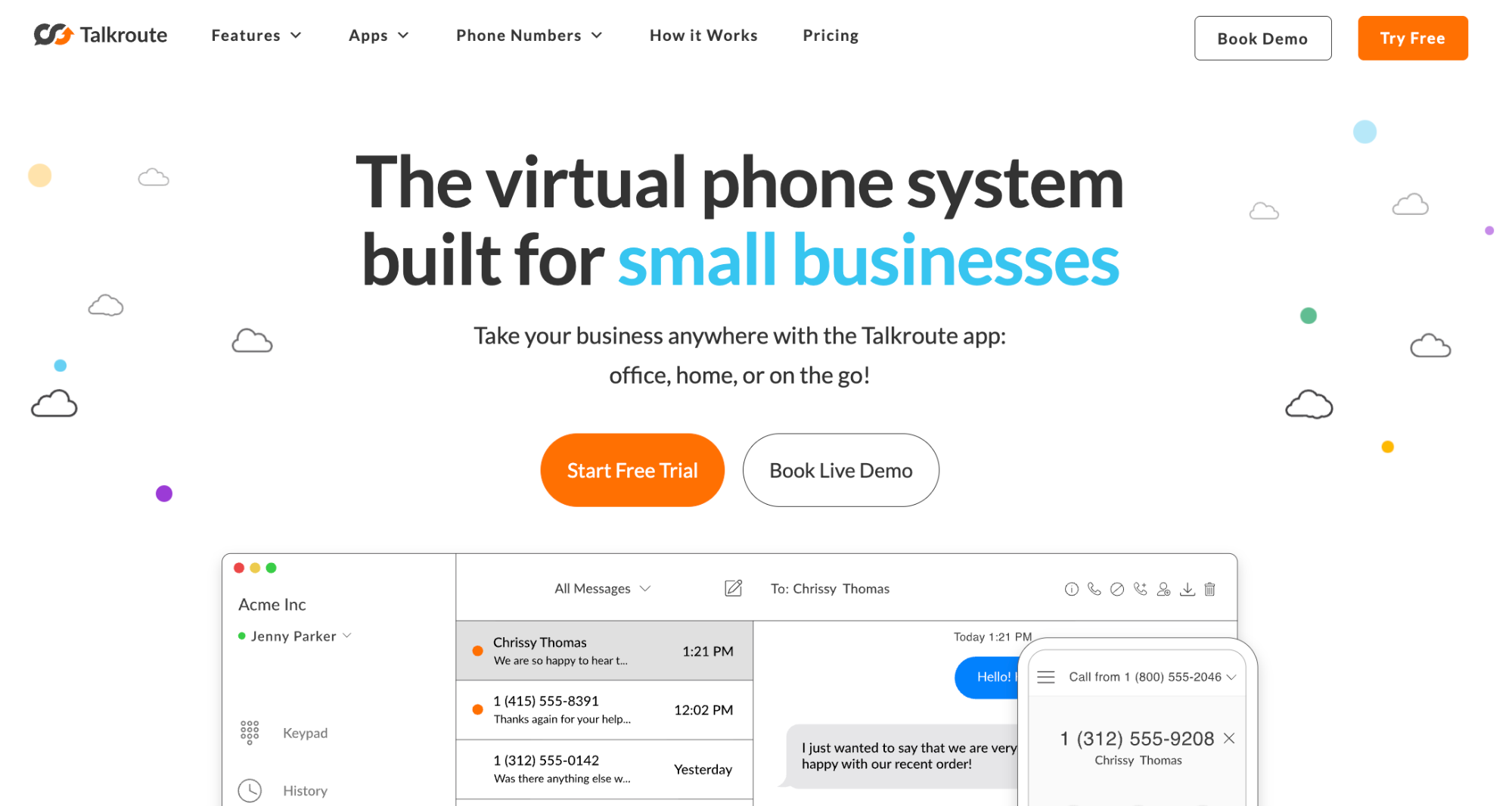
Talkroute stands out as the best communication system for small businesses seeking to centralize and streamline their customer interactions. Unlike generic voip platforms, Talkroute offers a comprehensive virtual phone system that ensures no call goes unanswered, projecting a professional image that builds trust & drives growth.
Features include customizable call routing, voicemail management, and mobile accessibility, allowing team members to stay connected & responsive from anywhere. By integrating seamlessly with other business tools, Talkroute enhances team communication, reduces missed opportunities, and supports efficient decision-making—making it an essential system for any growing company.
Project Management & Operations: Streamlining for Maximum Efficiency
Project management platforms like Asana, Trello, or Monday.com organize tasks and track project progress through visual dashboards and automated workflows. These systems transform chaotic project coordination into systematic processes that ensure deadlines are met and resources are allocated efficiently.
Workflow automation eliminates repetitive tasks and ensures consistent process execution. Automated task assignments, status updates, and deadline reminders reduce manual coordination while preventing important steps from being overlooked. Project templates standardize common workflows, enabling teams to launch new projects quickly with established best practices.
Time tracking tools measure productivity and support accurate client billing for service based businesses. Team members log hours directly within project tasks, providing detailed visibility into time allocation and project profitability. Integration capabilities with accounting systems streamline invoicing processes based on tracked time and expenses.
Resource allocation systems prevent team overload and optimize project scheduling by providing visibility into team member capacity and availability. Project managers identify potential conflicts before they impact deadlines while balancing workloads across team members.
Standard Operating Procedures (SOPs) document processes for consistent quality and easier training. These documented procedures ensure new employees can contribute quickly while maintaining service standards. Regular updates to SOPs capture process improvements and lessons learned from completed projects.
File sharing and collaboration tools enable remote teams to work efficiently on shared projects. Version control prevents conflicts when multiple people edit documents while comment systems facilitate feedback and approvals. Document storage is a key feature for organizing, sharing, and collaborating on files across teams, making it easier to manage project documentation and ensure everyone has access to the latest versions.
Advanced project management system features include automated reporting, budget tracking, and client portals that provide project visibility without overhead. Mastering these advanced features can enhance workflow efficiency and offer more tailored solutions, but may also come with a steep learning curve. These capabilities support transparent communication with clients while maintaining project profitability.
Marketing & Sales Automation: Consistent Growth Through Systematic Processes
Marketing automation platforms like Mailchimp or ActiveCampaign automate customer communication and nurturing through sophisticated email campaigns and behavioral triggers. These systems maintain consistent contact with prospects and customers without requiring manual intervention for every interaction.
Email marketing efforts benefit from segmentation capabilities that deliver personalized content based on customer behavior, preferences, and purchase history. Automated sequences guide prospects through educational content that builds trust and demonstrates value before making sales offers. A/B testing features optimize subject lines, content, and timing for maximum engagement rates. Personalized messaging in email campaigns nurtures leads, increases engagement, and improves conversion rates.
Social media platforms require systematic posting schedules to maintain consistent brand presence across Facebook, Instagram, and LinkedIn. Social media scheduling tools plan content weeks in advance while analytics track engagement rates and audience growth. Integration with content management systems streamlines the process of repurposing blog posts into social media content.
Lead generation systems capture prospects through website forms, landing pages, and content offers. Automatically add new leads to appropriate nurturing sequences while alerting sales teams to high-intent prospects. Lead magnets like ebooks, webinars, and free consultations attract potential customers while building email lists. Platforms like Zapier can automate repetitive tasks by connecting various business applications, reducing manual data entry.
Sales pipeline management tracks opportunities from initial contact to closed deals through systematic stage progression. Sales teams gain visibility into forecast accuracy, conversion rates by source, and individual performance metrics. Automated follow-up reminders ensure no prospects are neglected during extended sales cycles.
Content calendar systems organize blog posts, social media updates, and marketing campaigns across multiple channels. Editorial workflows ensure content quality while publication schedules maintain consistent messaging. Collaboration features enable marketing teams to coordinate efforts across different content types and distribution channels.
Analytics tools measure campaign performance and ROI for optimization decisions. These insights reveal which marketing efforts generate the highest-quality leads while identifying underperforming channels for improvement or elimination. Attribution tracking connects marketing activities to actual sales results.
Data Management and Security: Protecting and Leveraging Your Business Information
Robust data management & security are non-negotiable for any small business aiming for sustainable growth. As your company collects more customer information and operational data, the need for organized, secure, and accessible storage becomes critical. Well-structured data management systems not only safeguard sensitive customer information—vital for customer relationship management—but also streamlines how your business stores, retrieves, and utilizes data across all systems.
Modern business systems offer automation capabilities that take the headache out of routine data protection tasks. Automated backups ensure your valuable business data is never lost, while encryption tools protect sensitive information from unauthorized access. These features are especially important for maintaining compliance with industry regulations & building customer trust.
Beyond security, effective data management unlocks valuable insights that drive business growth. Advanced analytics tools can sift through large volumes of business data to reveal trends, customer preferences, and operational bottlenecks. By leveraging these insights, small business owners can make informed decisions, optimize processes, and identify new opportunities for business development.
Integrating data management tools with your existing business systems allows you to automate tasks such as data entry, reporting, and compliance checks. This not only saves time but also reduces the risk of human error.
Employee Management & Support: Empowering Your Team for Success
Thriving small businesses depend on a motivated, well-supported team. Effective employee management & support systems are essential for empowering your staff. By implementing employee management software, small businesses can centralize key functions such as project management, time tracking, and benefits administration—all while automating repetitive tasks that often bog down productivity.
Project management tools help assign responsibilities, track tasks, and monitor project progress, ensuring that every team member knows their role & deadlines. Time tracking features provide transparency into how work hours are spent, supporting accurate payroll and helping identify opportunities to optimize workflows. Benefits administration modules simplify the management of employee perks, health plans, and leave requests, reducing administrative overhead.
Automation capabilities within these systems eliminate time consuming, repetitive tasks—such as manual scheduling or data entry—freeing up your team to focus on higher-value activities. Enhanced collaboration tools foster a supportive work environment, making it easier for team members to share information, provide feedback, and work together toward common goals.
By analyzing data on employee performance and engagement, small business owners can identify strengths, address challenges, and make data-driven decisions to further enhance team productivity. Investing in employee management systems not only reduces turnover but also creates a culture of continuous improvement, positioning your business for sustained success.
Supply Chain Management and Logistics: Ensuring Smooth Operations from Supplier to Customer
Efficient supply chain management and logistics are the backbone of smooth operations for any small business, especially those managing physical products. Robust supply chain management system integrates seamlessly with your other business systems to coordinate inventory management, order tracking, and shipping logistics—ensuring that products move efficiently from supplier to customer.
Inventory management software provides real-time visibility into stock levels, helping you avoid costly stockouts or overstock situations. Automated order tracking keeps both your team and your customers informed about order status, reducing inquiries and enhancing customer satisfaction. Logistics tools streamline shipping processes, automate label generation, and optimize delivery routes, saving time and reducing operational costs.
By automating key supply chain tasks, small businesses can minimize manual errors, accelerate order fulfillment, and improve overall efficiency. Integration with other small business systems—such as accounting and customer relationship management—ensures that sales data, inventory updates, and customer information flow smoothly across platforms.
Advanced analytics capabilities allow you to analyze data from every stage of your supply chain, identifying bottlenecks, forecasting demand, and uncovering opportunities for cost savings. This data-driven approach empowers small business owners to make informed decisions, improve profit margins, and drive business growth even further.
Implementation Strategy: Rolling Out Systems Without Disrupting Operations

Successful system implementation requires careful planning to avoid overwhelming staff while maintaining current operations. A phased approach minimizes disruption while building confidence through early wins and measurable improvements.
Phase 1 focuses on identifying the biggest operational pain point affecting daily productivity or customer satisfaction. Common starting points include communication systems that prevent missed calls, accounting software that eliminates manual bookkeeping, or customer relationship management that organizes scattered contact information. This initial system should provide immediate, visible benefits that demonstrate the value of systematic approaches.
Phase 2 involves selecting and implementing one system at a time to avoid overwhelming staff with multiple changes simultaneously. Each system receives full attention during setup, training, and optimization before introducing additional tools. This sequential approach ensures proper adoption and identifies integration requirements between systems.
Phase 3 requires training team members thoroughly and documenting new processes before expanding to additional systems. Training sessions should include hands-on practice with real scenarios while documentation provides reference materials for ongoing use. Champions within the team can provide peer support and feedback during the adjustment period.
Phase 4 monitors system performance for 30 days while gathering employee feedback for necessary adjustments. Key performance indicators track efficiency improvements, error reduction, and user satisfaction. Regular check-ins identify challenges and opportunities for optimization before they become significant problems.
Integration planning ensures new systems connect with existing systems rather than creating data silos. APIs and built-in integrations enable information flow between different platforms while reducing manual data entry. Cloud based tools typically offer better integration capabilities than standalone desktop applications.
Change management includes clear communication about benefits and timeline for system adoption. Staff members need to understand how new systems improve their daily work while management provides support during the learning curve. Regular progress updates maintain momentum while celebrating improvements reinforces positive adoption.
Common implementation pitfalls include choosing systems based on features rather than actual needs, implementing too many systems simultaneously, inadequate training, and lack of ongoing optimization. Success requires focus on solving specific problems rather than pursuing technology for its own sake.
Measuring Success: ROI & Performance Metrics for Business Systems
Effective measurement demonstrates the value of business systems while identifying opportunities for continued improvement. Key performance indicators should align with specific business objectives and provide actionable insights for optimization decisions.
Time savings measurement tracks hours recovered through automation and streamlined processes. Document the time required for common tasks before and after system implementation to quantify efficiency gains. These savings often translate directly to increased capacity for revenue-generating activities or reduced need for additional staff.
Error reduction metrics show quality improvements and reduced rework costs. Track instances of data entry errors, missed deadlines, lost leads, or customer complaints before and after implementing systems. The cost of fixing errors often exceeds the investment in prevention through systematic approaches.
Revenue growth correlation demonstrates systems’ impact on business profitability. Compare sales performance, customer acquisition rates, and average transaction values before and after system implementation. Marketing automation and CRM systems typically show measurable impacts on conversion rates and customer lifetime value.
Cost-benefit analysis shows break-even points typically achieved within 3-6 months for most systems. Calculate the total cost of system implementation including software subscriptions, training time, and setup efforts. Compare this investment to quantified benefits like time savings, error reduction, and revenue improvements.
Advanced analytics provide valuable insights into customer behavior, operational efficiency, and financial performance. Integration capabilities between systems enable comprehensive reporting that reveals patterns and opportunities not visible within individual tools. Regular review of these metrics ensures systems continue delivering value as businesses evolve.
FAQ’s About Small Business Systems
What is the most important system for a new small business?
Financial management systems take priority as cash flow control determines business survival. Without accurate tracking of income, expenses, and cash flow, even profitable businesses can fail due to poor financial management. Accounting software provides the foundation for all other business decisions by delivering reliable financial data.
Communication systems follow closely as professional customer interaction drives revenue growth. A virtual phone system like Talkroute ensures no potential customer calls go unanswered while projecting a professional image that builds trust. These two systems provide the foundation for sustainable growth.
Start with accounting software and a virtual phone system before expanding to other business tools. This approach addresses the most critical operational needs while building confidence in systematic approaches to business management.
How much should small businesses budget for essential systems?
Basic system packages start around $200-500 monthly for companies with 5-10 employees, depending on the specific combination of tools selected. Most systems offer multiple pricing tiers based on features and user counts, allowing businesses to start with basic plans and upgrade as they grow.
Many business systems offer free plan options or free trials to test functionality before committing to paid plans. Take advantage of these trials to evaluate how well systems integrate with existing processes and whether they deliver promised benefits.
ROI typically justifies costs within 90 days through increased efficiency and reduced errors. The time savings from automation tools and improved organization often exceed monthly subscription costs while providing additional benefits like better customer satisfaction and reduced stress.
Can small businesses implement systems without technical expertise?
Modern business systems prioritize user friendly interface design that requires minimal technical knowledge. Most platforms use intuitive drag-and-drop configurations, guided setup wizards, and pre-built templates that eliminate complex technical requirements.
Cloud based tools eliminate server maintenance and technical infrastructure concerns while providing automatic updates and security patches. This approach allows small business owners to focus on using systems rather than managing technical details.
Most platforms offer setup assistance, training resources, and customer support for smooth implementation. Video tutorials, knowledge bases, and live chat support help users overcome initial learning curves while phone support addresses specific configuration questions.
How do systems help small businesses compete with larger companies?
Automated systems level the playing field by providing enterprise-level capabilities at affordable prices. Small businesses can access sophisticated customer relationship management, marketing automation, and project management tools that were previously available only to large corporations with significant IT budgets.
Professional communication systems and organized processes create larger company perception among customers and partners. A well-implemented virtual phone system like Talkroute creates the impression of a larger organization while maintaining personal service quality.
Efficient operations enable small businesses to respond faster and provide more personalized service than large competitors. Systems that eliminate manual processes allow small teams to handle larger volumes while maintaining flexibility and responsiveness that larger organizations often struggle to achieve.
The key to success lies in selecting the right combination of systems for your specific business needs & then implementing them systematically. Start with the highest-impact systems like financial management and communication tools, then expand gradually as your team adapts.
With proper planning & execution, these thirteen essential systems will transform your small business operations and position your company for growth in an increasingly competitive marketplace.

Stephanie
Stephanie is the Marketing Director at Talkroute and has been featured in Forbes, Inc, and Entrepreneur as a leading authority on business and telecommunications.
Stephanie is also the chief editor and contributing author for the Talkroute blog helping more than 200k entrepreneurs to start, run, and grow their businesses.