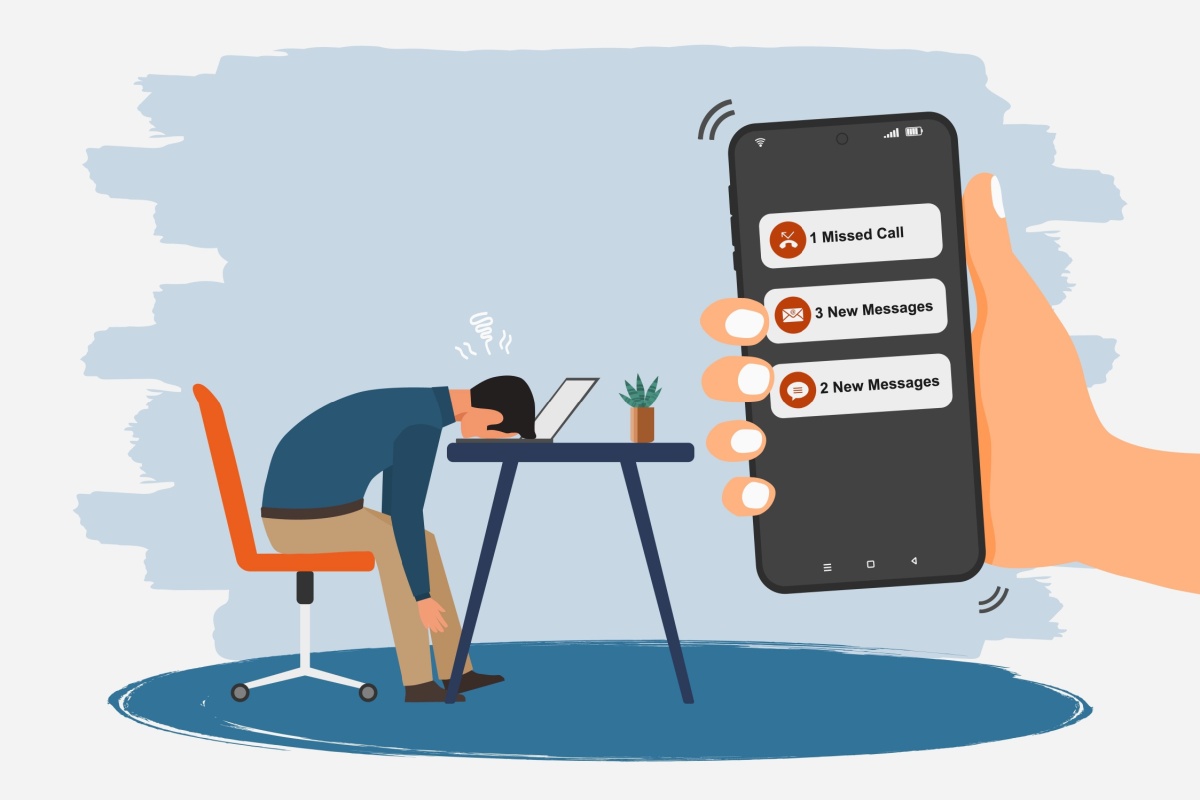
Every time your phone rings & nobody picks up, money walks right out the door. Most business owners assume they only miss a handful of calls per week, but the real numbers tell a different story. Missed calls significantly impact businesses by creating immediate revenue loss. While eroding customer trust, and funneling your marketing budget into a black hole.
After hours & peak hours are also where most hidden losses occur. Roughly 78% of customers buy from the first company that responds. Meaning unanswered callers simply move to competitors instead of leaving voicemail. The good news: AI receptionists now make it possible to capture every call, every hour, without hiring additional staff.
An AI receptionist (like Talkroute’s) can answer 24/7, capture every lead, and send instant follow-ups, often paying for itself in the first month. Truly helping your business stay connected while making sure calls aren’t missed.
Why Missed Calls Are So Expensive
Missed calls are never just a lost sale. It is a combination of direct revenue loss, sacrificed customer lifetime value, and wasted marketing dollars that you already spent to make that phone ring. When a caller picks up the phone to contact your business, they have already done their research. They have a problem, they found you, and they are ready to act. A missed call often results in a lost immediate sale in various industries, from plumbing emergencies to same-day dental appointments.
The scale of the problem is staggering. Missed calls can represent 62.2% of total business calls, meaning more than half of all incoming calls to small businesses never reach a live person. Of those callers who hit voicemail, 82% of callers won’t leave a voicemail after a missed call. And 85% of customers won’t call back after an unanswered call. That means your potential customers are gone before you even know they called.
Callers who pick up the phone have purchase intent that dwarfs other lead sources. Phone leads convert to revenue 10–15 times more often than typical web leads like form fills or chat requests. In practice, this plays out in competitive industries every day. The cost of acquiring a new customer is higher than retaining an existing one, yet companies incur even higher customer acquisition costs when ignoring calls from existing clients who need service.
A single missed call can damage a business’s reputation significantly. While a high volume of missed calls can damage a brand’s reputation and lead to negative reviews.
In industries like home services, legal, healthcare, and auto repair, missing even a few customer calls per week sends thousands of dollars per month directly to competitors. A missed call can result in losing a customer permanently, sacrificing their lifetime value. And when those frustrated callers leave one-star reviews because they couldn’t reach you, the damage compounds far beyond one lost transaction.
Calculating Lost Revenue from Missed Calls
Most businesses underestimate how much revenue slips away through unanswered calls. You can estimate your own losses using a simple missed call cost calculator formula:
(Missed calls per day) × (Average transaction value) × (Conversion rate) × (Working days per month)
Here is a step-by-step example. A small service based business receives 25 phone calls per day. Their missed call rate is 30%, so they miss about 7.5 calls daily. Their average transaction value is $180, and their call conversion rate is 30%. Over 22 working days per month, that breaks down to 165 missed calls per month. At a 30% close rate, roughly 49 of those would have converted. That is $8,910 in lost revenue every month, or approximately $106,920 in annual revenue lost, just from calls that rang out.
Businesses can lose $540 daily from missed calls on average, and those numbers climb quickly in higher-ticket verticals. Each missed call can cost $250 in lost revenue for HVAC businesses, while missed calls can cost HVAC businesses $800 to $1,200 each when factoring in the full job value. Home services lose $800 to $1,200 per missed call. Legal services can lose $1,500 to $5,000 per missed call on a single intake.
Now layer in lifetime value. A dental office where a new patient is worth $3,000 in the first year and stays for five years has a customer lifetime value of $15,000. Missing just two intake calls per week means 104 lost patients per year. That lost lifetime value is enormous. Missed calls can cost a dental practice $496,800 annually when lifetime revenue is included.
To estimate your own losses, plug in your numbers: calls per day, missed call rate, close rate, average sale, and average customer lifetime. Even conservative calculations that ignore referrals and repeat business will likely shock you with how much revenue disappears through unanswered calls.
Common Reasons Businesses Miss Calls
Missed calls rarely happen because owners don’t care. They happen because teams are stretched thin, systems lack backup, and blind spots go unnoticed. Busy employees and small teams are the most common culprit. During peak hours, call volume spikes and a single phone line with no overflow handling means callers hear ringing, then voicemail, then silence. Urgent queries remain unresolved when calls go unanswered during these critical windows.
Lack of overflow handling creates predictable gaps. Without call routing, backup lines, or a professional answering service in place, every spike in inbound calls produces missed opportunities. A solo practitioner in a session, a contractor on a roof, a restaurant owner managing the dinner rush-each misses multiple calls per day without realizing the cumulative damage.
After hours and weekends are also a massive blind spot. Many businesses operate during traditional business hours, but industry data shows that 18–25% of inbound call volume arrives in evenings, early mornings, and weekends. These callers often found you through a late-night Google search and are ready to book. Since 30% of people dislike not reaching a live person during calls, and 67% of customers rate brands as “unreliable” after long hold times, the experience of hitting voicemail after business hours erodes trust fast. Eroding customer trust occurs when potential customers cannot connect with a business at the moment they need help.
Missed calls lead to operational inefficiencies and wasted employee time when staff spend the next morning playing phone tag to chase down voicemails. They convey unreliability & can push frustrated customers to public review platforms. Missed calls can also lead to negative reviews and low referral rates, compounding the damage well beyond the original lost lead.
How AI Receptionists Reduce Missed Calls
An AI receptionist isn’t a robotic menu tree. It is a natural-sounding virtual receptionist that answers phone calls, holds a real conversation, captures key details, and sends your team everything they need to follow up. All without a human needing to be present. Which can truly be a game changer.
The core advantage is always-on answering. An AI receptionist picks up within a couple of rings at any hour, including peak hours, lunch breaks, weekends, holidays, and after hours. No call goes to unanswered rings or a basic voicemail greeting where callers hang up. Overflow coverage fills the gaps during busy periods. When your live staff are occupied, incoming calls automatically forward to the AI receptionist using standard call routing from your existing phone system. This means your current number stays the same and callers get a helpful voice instead of dead air.
Instant engagement is where the revenue recovery happens. The AI asks for the caller’s name, phone number, reason for calling, and any relevant details. It then sends immediate notifications and transcripts via email, text, or app so your team can follow up within minutes. Think of a midnight HVAC emergency lead that would otherwise vanish by morning-now it is captured, documented, and waiting for your dispatcher at 7 AM.
Talkroute’s AI Receptionist, for example, supports customizable greetings, dedicated numbers, and routing from other service providers via standard call forwarding. At roughly $59 per month for 100 minutes with per-minute overage, the cost is trivial compared to the revenue opportunity in even one recovered call. AI receptionists can improve call handling ROI by 300–800%, making them one of the highest-return operational tools a small business can deploy.
The Impact on Marketing ROI
Marketing efforts are wasted if calls are not answered, leading to poor ROI across every channel you invest in. Whether you are running PPC campaigns, optimizing for local SEO, or sending direct mail, those efforts are designed to drive calls. When those calls go unanswered, you are paying to generate leads and then throwing them away.
Consider a local business spending $3,000 per month on Google Ads that drive phone calls. If 30% of those calls go unanswered, a significant portion of that $3,000 never converts into revenue. Missed calls can lead to a 30% loss in marketing ROI because cost-per-lead and cost-per-acquisition metrics balloon when leads are generated but never captured. You see the calls in your analytics dashboard, but the actual booked revenue tells a different story.
Phone calls are often the preferred contact method after customers find a business via SEO or maps search. Because phone leads convert so much better than web leads, losing them at the last mile skews your entire funnel. An AI receptionist fixes this by ensuring every call from campaigns is at least captured and qualified, turning what used to be dead spend into booked appointments and callbacks. Even reclaiming 15–20 missed PPC calls per month at a modest average value can deliver a revenue boost that far exceeds your total ad spend plus AI receptionist subscription combined.
Recommended Setup for Reducing Missed Calls with AI
The fastest way to plug the missed call revenue leak is to design a simple call routing strategy that uses an AI receptionist as the front line or safety net. When the AI identifies a priority caller-new sales inquiries, urgent service calls, or an existing customer with an active issue-it flags and routes the call instantly to on-call staff. Routine questions, general messages, and appointment booking requests stay with the AI. Automated call routing can prevent calls from ringing endlessly, ensuring every caller gets a response.
The AI creates immediate follow-up workflows by emailing or texting call summaries, pushing notes into your CRM, or generating tasks for staff to call back within 15–30 minutes during business hours. This structured approach to call handling means no lead sits unattended and no caller falls through the cracks.
Practical setup with a platform like Talkroute takes about an afternoon: choose a number, forward or route your existing lines, customize the AI greeting and script to match your brand reputation and tone, and test call flows during normal hours and after hours. Once live, you have 24/7 coverage without adding headcount.
Real-World Scenario: What 15 Missed Calls per Week Really Costs
Consider a local HVAC company that misses 15 calls per week. Their technicians are in the field during the day, and nobody answers after 5 PM. Their average transaction value is $250, and their close rate on answered calls is 30%.
Here is the math. Fifteen missed calls per week means 60 missed calls per month. Since 85% of callers won’t call back after a missed call, roughly 51 of those are permanently lost opportunities. At a 30% conversion rate, that is about 15 lost conversions per month. Direct revenue loss: 15 × $250 = $3,750 per month, or roughly $45,000 per year.
But that only captures the immediate lost sale. Many of those callers would have become repeat customers. With a conservative 3-year customer lifetime, the lost lifetime value climbs to $100,000 or more annually. Add in missed referrals and the hidden cost of damaged reputation from frustrated callers who post negative reviews, and a realistic total sits between $75,000 and $150,000 per year-all from 15 missed calls per week.
Now contrast that with a $59/month AI receptionist subscription. Even capturing four additional calls per month at a $250 average value and 30% close rate recovers about $300 in monthly revenue, already exceeding the subscription cost. The true cost of those 15 missed calls dwarfs the solution by orders of magnitude. Fixing a small missed call problem can produce immediate, measurable ROI within weeks.
Conclusion: Reducing Missed Calls Delivers Immediate ROI
The cost of missed calls combines direct revenue loss, lost lifetime value, wasted marketing spend, and brand reputation damage. Small businesses lose around $126,000 annually from missed calls, and most businesses don’t realize the scale until they actually run the numbers. These are not theoretical losses-they are tens of thousands of dollars walking out the door every year.
Even modest improvements in your missed call rate-from 30% down to under 5%-can unlock significant recovered business revenue for a typical average small business. An AI receptionist delivers 24/7 coverage, instant response, and structured follow-up that turns missed calls into usable leads instead of dead ends. It is an operational tool, not a novelty.
Run your own numbers using the formula outlined above. Then test an AI receptionist setup for 30–60 days and track the difference in captured leads, booked appointments, and closed revenue. The data will speak for itself.
FAQ
How do I quickly estimate the cost of my missed calls without a formal calculator?
Use this back-of-the-napkin formula: (calls per day × missed call %) × (average sale × close rate) × (working days per year). For example, if you receive 40 calls per day, miss 25%, have a $120 average sale, and a 25% close rate over 260 working days, that is 10 missed calls × $30 per call × 260 days = $78,000 per year. This is conservative because it ignores customer lifetime value and referrals entirely.
What is a good missed call rate for a small business?
Keeping missed calls under 5% of total inbound phone calls is a strong target. Rates above 10% usually indicate structural issues like inadequate coverage during peak hours or after hours. Use your phone system’s call logs over a 2–4 week period to benchmark your current performance before setting improvement goals.
Do missed calls after hours really matter if my business is closed?
They often matter more than owners expect, especially in urgent or time-sensitive industries like plumbing, HVAC, medical, and legal services. An estimated 18–25% of inbound call volume in many local service industries happens outside standard 9–5 hours. An AI receptionist can capture these leads, book appointments, or take detailed messages so staff can respond first thing the next business day.
Will customers be annoyed if an AI receptionist answers instead of a human?
Most callers care more about speed and clarity than whether the first response is human. Modern AI receptionists use conversational language, handle common questions naturally, and quickly route complex issues to humans when needed. Customizing greetings and responses to match your brand’s tone makes the AI feel like an integrated part of your team rather than a generic answering machine.
How fast can an AI receptionist start reducing my missed call costs?
Setup can typically be done in a single afternoon: choose a number, configure call forwarding, write a short greeting, and test your routing. Once live, businesses usually see an immediate drop in missed calls within the first week, including after-hours and peak-time coverage. Track your missed call rate, number of captured leads, and new revenue for 30–60 days to quantify the ROI and leverage technology that pays for itself quickly.

Stephanie
Stephanie is the Marketing Director at Talkroute and has been featured in Forbes, Inc, and Entrepreneur as a leading authority on business and telecommunications.
Stephanie is also the chief editor and contributing author for the Talkroute blog helping more than 200k entrepreneurs to start, run, and grow their businesses.